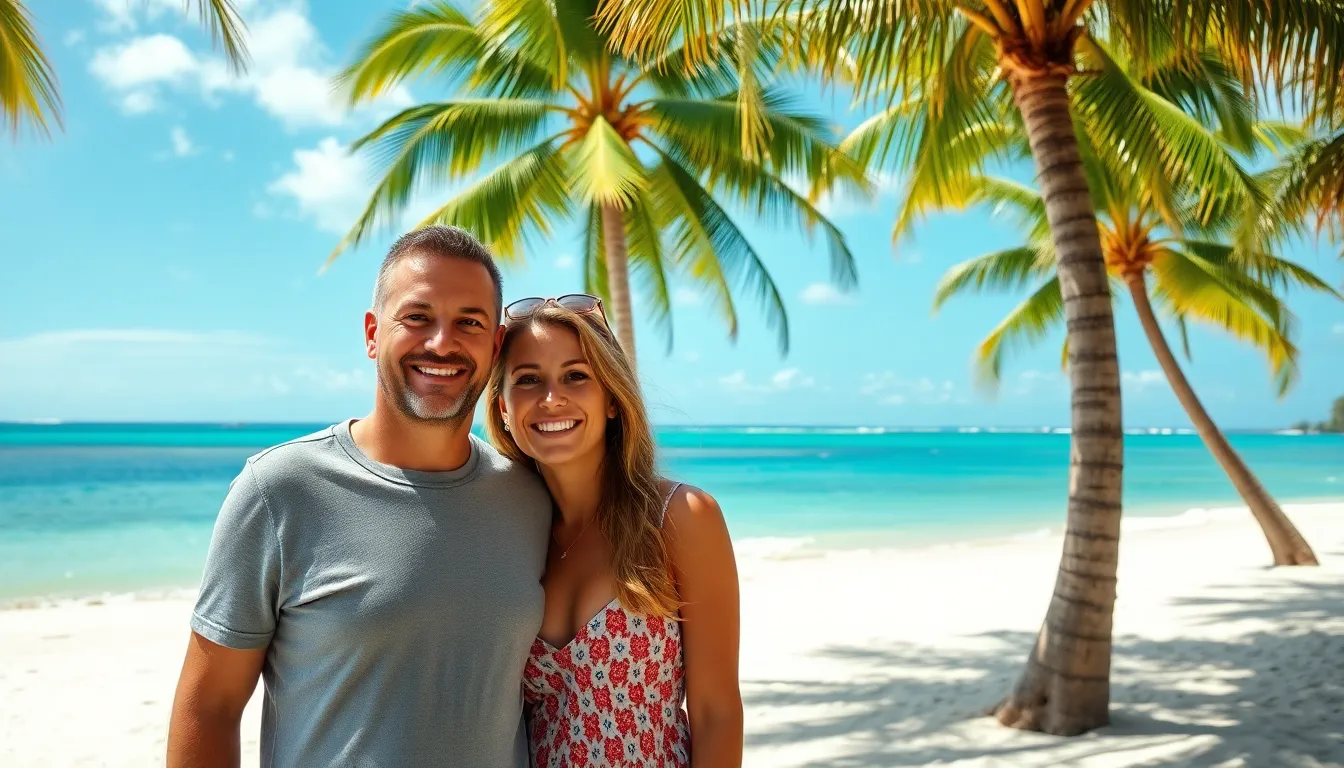
Thinking about relocating to Panama from the US? You’re not alone. More Americans are discovering the charm of this Central American gem, drawn by its stunning landscapes, vibrant culture, and affordable living. With its tropical climate and welcoming expat community, Panama offers a refreshing change of pace for those seeking adventure or a new start.
Navigating the process of moving abroad can be daunting, but understanding what to expect makes the transition smoother. From visa requirements to housing options, knowing the essentials can help ease the journey. Whether it’s the allure of the Panama Canal or the lush beaches, this guide will provide valuable insights to make the move as seamless as possible.
Overview of Moving to Panama from US
Moving to Panama from the U.S. attracts many Americans due to the country’s appealing attributes. Landscapes range from stunning beaches to lush mountains, providing diverse environments. Vibrant culture plays a significant role, showcasing local traditions, cuisine, and festivals.
Affordable living stands out as a major benefit. Compared to many U.S. cities, daily expenses like housing, groceries, and healthcare often decrease significantly. A low-cost lifestyle does not compromise quality, with many amenities readily available.
Panama’s tropical climate offers warm weather year-round, ideal for outdoor activities. Residents enjoy diverse ecosystems, including beaches and rainforests. Good weather enhances overall life satisfaction for many newcomers.
A supportive expat community also exists, aiding the transition. Local organizations and groups help newcomers connect and navigate the new environment. Shared experiences and networking opportunities create a sense of belonging.
Visa requirements vary but provide several options for residents. The Friendly Nations Visa, for example, allows citizens from specific countries to apply for residency easily. Understanding different visa categories helps streamline the application process.
Housing options in Panama cater to various preferences and budgets. Urban centers offer modern apartments, while rural areas provide charming houses and villas. Familiarizing with local real estate practices simplifies finding an ideal living space.
Exploring Panama before moving provides valuable insights. Visits to potential neighborhoods showcase amenities, transport, and local culture. This exploration aids decision-making and prepares newcomers for their new life.
Reasons for Moving to Panama
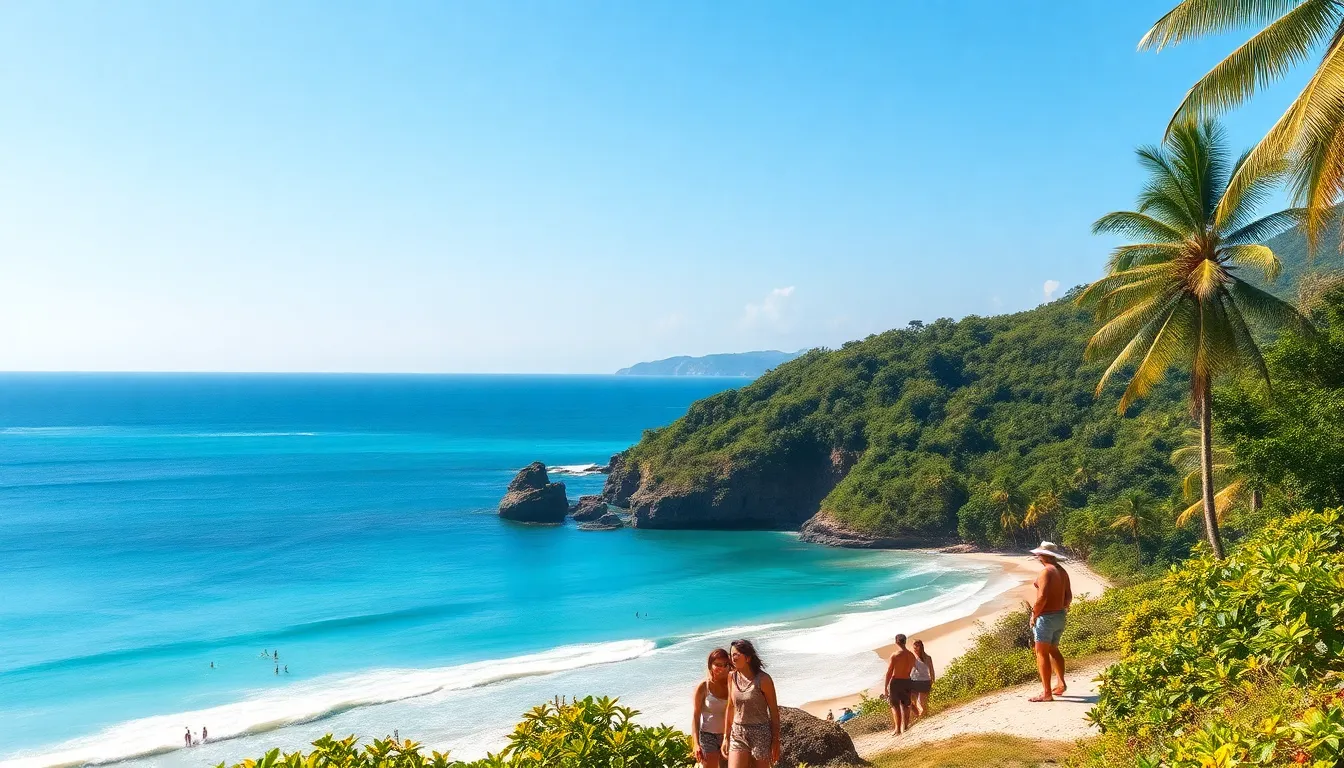
Panama attracts many Americans for its unique offerings. Below are key aspects that make this country a desirable destination.
Cost of Living
Cost of living in Panama is significantly lower than in the U.S. For example, housing costs can decrease by 30% to 50% compared to major cities like New York or Los Angeles. Groceries and dining out also show notable savings, with typical meal prices ranging from $4 to $10. Healthcare expenses are affordable, with quality services available at a fraction of U.S. prices. Insured expats report monthly premiums as low as $50.
Quality of Life
Quality of life in Panama benefits from a warm, tropical climate that allows for year-round outdoor activities. The country’s natural beauty, including beaches and mountains, promotes an active lifestyle. Urban areas, like Panama City, provide modern amenities such as shopping centers, restaurants, and entertainment. Access to recreational activities, like surfing and hiking, enhances overall satisfaction for residents. The expat community fosters social connections, making it easier for newcomers to adjust.
Cultural Diversity
Cultural diversity in Panama enriches the experience for residents. The country boasts a blend of indigenous, Afro-Caribbean, and Spanish influences, reflected in its festivals, music, and cuisine. Local traditions, such as Carnival, attract both locals and visitors, promoting vibrant community participation. A cosmopolitan atmosphere thrives in urban centers, where people from various backgrounds coexist and share their customs and lifestyles. This melting pot encourages newcomers to explore and appreciate different perspectives and traditions.
The Moving Process
The moving process to Panama involves essential steps to ensure a seamless transition. Each stage requires careful planning and consideration to streamline the experience.
Preparing for the Move
Preparing for the move includes organizing documents, managing finances, and planning shipping logistics. Gather important paperwork such as passports, birth certificates, and health records. Ensure financial matters are in order, including notifying banks of the move and exploring international banking options. Research shipping companies that specialize in international moves to find reliable service providers. Comparing quotes can help in finding the best rates for moving personal belongings. Create a packing list to prioritize items to bring, considering the cost of shipping and local availability.
Finding a Place to Live
Finding a place to live involves researching neighborhoods and assessing housing options. Popular areas for expats include Panama City, Coronado, and Boquete, each offering distinct lifestyles. Online resources, such as local real estate websites and expat forums, provide valuable information on rental prices and property features. Renting temporarily before committing to a long-term lease allows newcomers to explore neighborhoods and gauge the community vibe. Consider factors like proximity to amenities, transportation options, and safety when making choices. Evaluate housing options from modern apartments to charming single-family homes, each aligning with personal preference and budget.
Legal Considerations
Understanding the legal framework is crucial for a smooth transition to Panama. Comprehending visa requirements and residency options helps American expats navigate their new environment effectively.
Visa Requirements
Visa requirements play a key role in moving to Panama. U.S. citizens typically require a visa for long-term stays. The Friendly Nations Visa remains a popular choice, allowing citizens from eligible countries to apply for permanent residency quickly. This visa requires proof of economic activity or a job offer in Panama. Other options include the Pensionado Visa, designed for retirees receiving a pension of at least $1,000 per month. It grants excellent benefits, such as discounts on healthcare and leisure activities. The process, while generally straightforward, requires documentation and adherence to specific regulations. Consulting with an immigration attorney can simplify this process and ensure compliance with Panamanian laws.
Residency Options
Residency options vary based on individual circumstances and objectives. The country offers several visa categories to accommodate diverse needs. The Friendly Nations Visa, mentioned earlier, provides a path for citizens from specific countries to gain residency without extensive bureaucratic hurdles. The Pensionado Visa appeals to retirees, while the Economic Solvency Visa suits those investing a specified amount in Panamanian real estate or business.
Temporary residency establishes a foothold, allowing newcomers to settle while exploring permanent residency options. Adhering to local regulations and maintaining updated immigration status proves essential. Regularly reviewing residency status ensures compliance and stability in Panama.
Adjusting to Life in Panama
Adjusting to life in Panama involves embracing cultural shifts and new experiences. Understanding local customs and the language plays a significant role in a smooth transition.
Language and Communication
Spanish is the official language in Panama. While many locals speak English, especially in urban areas and tourist spots, proficiency in Spanish enhances daily interactions. Common phrases like “Hola” (Hello) and “Gracias” (Thank you) help establish rapport. Enrolling in a local language school or attending conversational meetups can improve language skills and foster connections with residents. Learning local dialects and expressions can deepen cultural appreciation and smooth everyday communication.
Local Customs and Lifestyle
Panama’s culture blends indigenous, Afro-Caribbean, and Spanish influences, enriching residents’ experiences. Greeting customs include handshakes and friendly smiles. Punctuality is flexible; social gatherings often start later than scheduled. Local cuisine features fresh ingredients, with popular dishes like ceviche and sancocho. Participating in community events, such as Carnavales and local festivals, encourages engagement and connection. Understanding the slower pace of life promotes a relaxed mindset, making it easier to adapt and enjoy Panama’s vibrant lifestyle.
Moving to Panama offers a unique blend of adventure and opportunity for those seeking a fresh start. With its stunning landscapes and welcoming expat community, newcomers can quickly find their place in this vibrant country. The lower cost of living and favorable climate enhance the overall quality of life, making it an attractive destination for many Americans.
Embracing the local culture and customs can lead to enriching experiences, while understanding visa requirements and housing options ensures a smoother transition. By planning carefully and engaging with the community, individuals can enjoy all that Panama has to offer. This journey not only promises a new home but also a chance to create lasting memories in a beautiful setting.