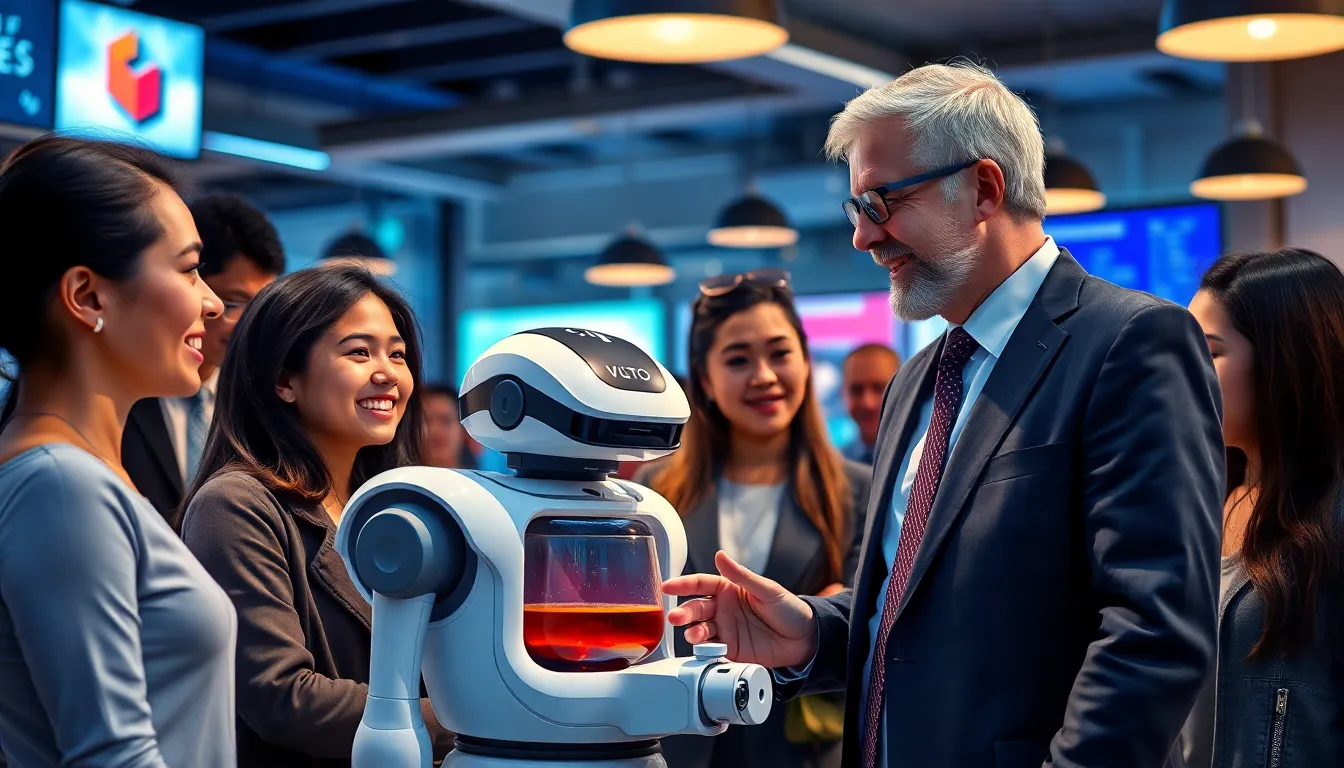
In a world where robots can brew coffee and chat like your favorite barista, AI innovation news is the hot topic everyone’s buzzing about. Whether it’s self-driving cars or virtual assistants that actually understand your sarcasm, these breakthroughs are changing the game faster than you can say “machine learning.”
Latest Developments in AI Innovation News
Recent advancements in AI reveal impressive capabilities across various sectors. Self-driving vehicles are enhancing transportation safety by utilizing advanced sensors and predictive algorithms. Organizations now employ AI systems that analyze vast datasets, improving decision-making and efficiency in fields like healthcare and finance.
Robots are no longer confined to simple tasks. These machines engage in meaningful conversations, mimicking human interactions with surprising accuracy. Innovations in natural language processing enable virtual assistants to decipher nuances in human speech, including sarcasm and humor.
AI-driven applications are transforming education by personalizing learning experiences. Adaptive learning platforms assess individual student progress and tailor content accordingly, promoting better understanding and retention of information. Such technology increases the effectiveness of teaching methods and enhances student engagement.
In the realm of creative arts, AI-generated artwork challenges traditional perceptions of creativity. Programs now compose music, generate visual art, and even write compelling narratives, showcasing the potential of collaboration between humans and machines. As AI evolves, its influence on art is becoming increasingly significant, prompting discussions about originality and authorship.
Companies are investing heavily in AI research, predicted to reach $190 billion by 2025. This investment accelerates the development of innovative solutions aimed at solving complex global issues. Startups are emerging, focusing on niche AI applications that further contribute to the growth of the industry.
Advancements continue to evolve rapidly, suggesting a future where AI integration permeates every aspect of daily life. Emerging technologies promise to improve productivity, creativity, and efficiency, shaping a new era defined by intelligent systems working alongside humans.
Noteworthy AI Innovations
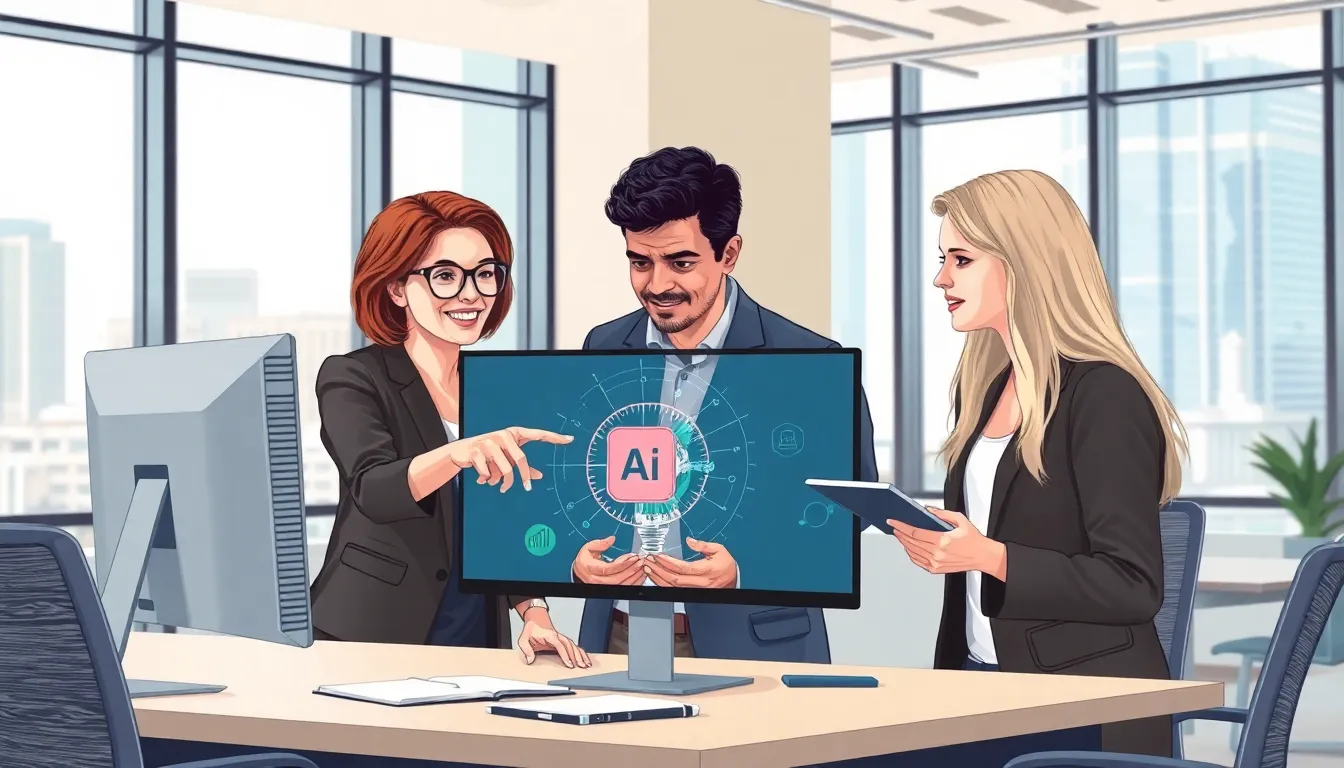
Recent advancements in AI technology showcase its potential to transform everyday experiences and industries. These innovations enhance safety, creativity, and efficiency across various sectors.
Breakthrough Technologies
Innovative developments redefine how machines interact with humans. Enhanced natural language processing capabilities enable virtual assistants to grasp subtle nuances in conversation. Self-driving vehicles utilize advanced sensors to navigate safely, significantly reducing accident rates. AI-driven platforms analyze extensive datasets, leading to smarter decision-making in healthcare and finance. Personalized education benefits from adaptive learning systems that adjust content based on individual student performance. This range of breakthroughs illustrates how technology adapts to real-world demands, presenting new possibilities for future applications.
Key Industry Players
Key companies lead the charge in AI innovation. Tech giants such as Google and Microsoft invest heavily in AI research, pioneering ground-breaking solutions for diverse sectors. Amazon pushes the envelope in machine learning and natural language understanding with its virtual assistant, Alexa. Startups also play a crucial role, developing niche technologies that address specific challenges. Collaborations among various organizations enhance progress, fostering an ecosystem ripe for creativity and growth. This competitive landscape propels continuous enhancement in AI capabilities, ultimately benefiting society at large.
Impacts of AI Innovation
AI innovations bring significant changes across various domains, influencing economies and societies profoundly.
Economic Effects
AI technology drives productivity and efficiency, creating new market opportunities. Job creation emerges in sectors focused on AI development and implementation. Estimated investments in AI could surpass $190 billion by 2025, propelling research and innovation. Additionally, AI systems enhance decision-making processes and optimize resource allocation, leading to cost reductions. These advancements place companies at a competitive advantage, fostering growth across industries. Several organizations already integrate AI into operations to streamline workflows and improve service delivery.
Social Implications
AI innovations reshape social interactions and community engagement. Virtual assistants enhance personal convenience, while targeted content delivery significantly influences consumer behavior. These tools also raise questions about privacy and data security, igniting debates on ethical standards. Access to AI-driven educational resources promotes learning equity, especially in underserved areas. Furthermore, creativity finds new expression through AI-generated art, challenging traditional definitions of artistic contributions. Such societal shifts indicate a move towards increasingly interconnected lives, where technology and human experiences intertwine seamlessly.
Future Trends in AI Innovation
Emerging technologies signal significant trends in AI innovation. Enhanced automation systems streamline operations across manufacturing and logistics. Increased reliance on AI-powered analytics transforms how companies process and interpret data. Collaborative robots, or cobots, partner with humans to augment productivity and innovation on the shop floor.
AI applications in healthcare continue to evolve, improving diagnostic accuracy and patient outcomes through data-driven insights. Adaptive learning technologies in education dynamically tailor content to individual learning styles, fostering deeper understanding and engagement. Virtual reality, combined with AI, allows immersive experiences in training and therapy, enhancing engagement across various fields.
The entertainment sector sees AI-generated content influence storytelling and audience interactions. Advanced algorithms personalize media recommendations, aligning content with consumer preferences. Creative collaboration between AI and artists challenges conventional notions of artistry, piquing interest in the arts community.
Investments in AI research are projected to exceed $190 billion by 2025, highlighting the critical role of technology in driving economic growth. Startups and established companies alike contribute unique solutions, fostering a competitive landscape that cultivates advancements. Ecosystem collaborations stimulate innovation and ensure that AI technologies address pressing global challenges effectively.
Societal implications of AI innovations extend to privacy, ethics, and job displacement. Striking a balance between technological advancement and ethical considerations becomes increasingly essential. AI’s influence reshapes various aspects of life, leading toward a future defined by interconnected experiences and enhanced problem-solving capabilities.
The landscape of AI innovation is evolving rapidly and its impact is felt across multiple sectors. As technology continues to advance companies and individuals alike are embracing the benefits of AI. Enhanced safety in transportation personalized education and smarter decision-making in healthcare and finance showcase the transformative power of these innovations.
Investments in AI are set to reach unprecedented levels further fueling advancements that promise to improve lives. However it’s essential to navigate these changes thoughtfully addressing ethical concerns and ensuring equitable access. The future of AI holds immense potential and its integration into everyday life will undoubtedly shape a more interconnected world.