
Imagine flipping through the news in 2030 and stumbling upon headlines like “Scientists Discover How to Train Cats to Do Taxes” or “Flying Cars Finally Arrive—But They’re All Out of Gas.” The future promises to be a wild ride, filled with unexpected twists that could make even the most seasoned journalist raise an eyebrow.
What Are Future Headlines?
Future headlines refer to imaginative and often humorous predictions for news stories that might appear in the years ahead. They capture the unpredictability of technology and societal changes that shape daily life. These headlines can range from the absurd to the thought-provoking.
Consider headlines featuring advanced technologies. “Robots Now Hold Political Office” exemplifies how automation might infiltrate governance roles, sparking debates about ethics and efficiency. Another potential headline, “Smart Fridges Launch Culinary Revolution,” highlights how everyday appliances may evolve to transform cooking and meal preparation.
Headlines also reflect evolving social norms. “Pet Influencers Dominate Social Media” suggests that animals could become major content creators, emphasizing the rise of unconventional celebrity culture. “Mandatory Fidget Time in Schools” presents a whimsical change in educational practices that prioritize student wellness.
Humor continues to play a significant role in these headlines. “Flying Cars Adopt Fashion Forward Design” showcases a light-hearted take on futuristic transportation trends. Creative ideas can inspire curiosity about the future while combining reality with fantasy.
The essence of future headlines resides in their ability to generate excitement and speculation. Readers engage by imagining their implications. Predictions about life in 2030 can provide valuable insights into possible advancements. Embracing this whimsical approach helps spark imagination, urging individuals to think critically about the trajectory of society and technology.
Such headlines intertwine with optimism and humor, inviting exploration of an unknown future.
Trends Shaping Future Headlines
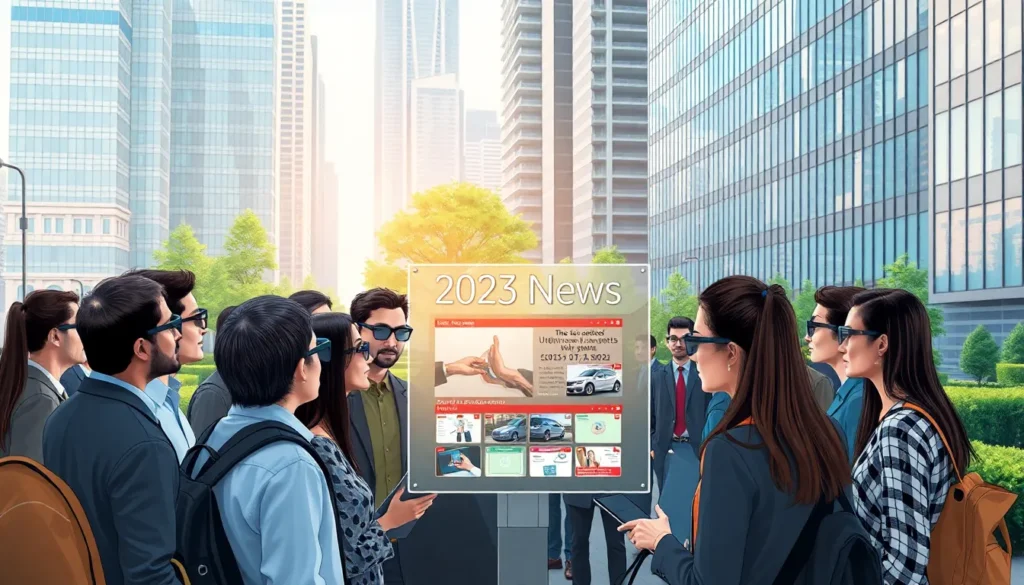
Future headlines reflect societal shifts and technological innovation. They captivate audiences by highlighting emerging trends that influence news narratives.
Advances in Technology
Innovative technologies drive future headlines. Artificial intelligence could generate real-time news updates, optimizing information accessibility. Robotics may automate various sectors, leading to headlines like “Drones Deliver Milk Within Minutes.” AR and VR experiences might redefine journalism, engaging audiences in immersive storytelling. Experts predict “Smart Cities Enhance Daily Life” as urban landscapes adapt to integrated technology. Quantum computing could revolutionize data security, sparking discussions about “Unhackable Networks Transform Online Privacy.” Each advancement promises unique implications for how society consumes news.
Changes in Consumer Behavior
Consumer habits drastically reshape news headlines. People increasingly seek personalized content tailored to their interests, leading to “Subscriptions for Customized News Feeds.” Social media influence continues to rise, prompting headlines like “Platform Algorithms Control Information Flow.” Sustainability becomes essential, resulting in coverage on “Eco-Conscious Brands Take the Spotlight.” As society values authenticity, headlines featuring “Influencers Embrace Transparency” will resonate with audiences. Remote work trends drive coverage shifts with themes like “Work-from-Home Culture Rises.” These changing behaviors highlight a dynamic relationship between consumers and news sources.
The Role of Media in Future Headlines
Media shapes future headlines through its influence on public perception and information dissemination. As technology advances, it’s vital to consider ethical implications in reporting.
Ethical Considerations
Ethics plays a crucial role in the formation of future headlines. Journalists may face dilemmas regarding accuracy versus sensationalism, especially with AI-generated content. Unverified information can mislead audiences and create harmful narratives. Transparency in sourcing will gain importance as media consumers expect accountability. Ethical guidelines may evolve to address potential biases in automated reporting systems. Anchoring headlines to verified facts promotes trust without sacrificing engagement. Ultimately, ethical journalism ensures that future headlines enrich public discourse rather than distort it.
The Impact of Social Media
Social media platforms significantly influence future headlines. User-generated content creates a demand for diverse perspectives, allowing stories to spread rapidly. Algorithms also determine how headlines reach audiences, impacting engagement levels. Trends on social media can guide journalistic focus, leading to headlines that reflect popular interests. Viral posts often shift narratives, making real-time adaptation essential for news organizations. The rise of influencers further blurs traditional media lines, setting the stage for unconventional reporting styles. As social media continues to evolve, its role in shaping headlines will only expand, fostering a dynamic news ecosystem.
Crafting Engaging Future Headlines
Creating engaging future headlines requires a blend of creativity, humor, and insight into societal changes. Imaginative approaches can attract curious readers. Consider using playful language, as it resonates well with audiences interested in whimsical predictions. Incorporating elements of surprise fosters engagement.
Tailoring headlines to reflect technological advancements is essential. For instance, “AI Competes in Cooking Championships” alludes to culinary innovation while capturing readers’ attention. Readers are likely to appreciate headlines that evoke curiosity about emerging technologies.
Focusing on societal trends enhances relatability. “Universal Pet Therapy Days Gains Popularity” connects with readers’ affection for pets and emphasizes evolving social norms. Highlighting unique angles can transform mundane topics into exciting narratives.
The rise of social media influences headline crafting. “Micro-Influencers Take Over the Advertising World” illustrates how changing landscapes impact consumer behavior. Readers often engage more with content that reflects current trends and social dynamics.
Crafting ethical future headlines also matters. Journalists should balance sensationalism with accuracy. The phrase “AI-Powered Journalism: Does Ethics Matter?” encourages critical thinking about new reporting methods. This contemplation deepens audience engagement.
Considering audience interests is vital. Audiences respond well to interactive content. A headline like “Predict the Next Big Thing: Join the Future Headline Challenge!” invites participation while sparking curiosity. Engagement grows when readers feel involved in imaginative scenarios.
Experimenting with formats can enhance appeal. Lists and questions often attract attention. “Top 5 Futuristic Gadgets You’ll Need by 2030” offers a straightforward glimpse into possibilities, effectively capturing audience interest.
The art of crafting engaging future headlines lies in combining creativity, societal awareness, and interaction, each aspect enhancing relevance and curiosity.
The future’s headlines promise to be a delightful blend of whimsy and insight. As advancements reshape society and technology evolves, these imaginative stories will not only entertain but also provoke thought about the world to come.
With humor as a guiding force, the headlines will reflect the unpredictable nature of progress and the unique cultural shifts that accompany it. Embracing this playful perspective invites curiosity and encourages exploration of the implications behind each scenario.
As readers look ahead to the news of tomorrow, they can expect a landscape filled with surprises that challenge conventional norms and ignite conversations about the future.