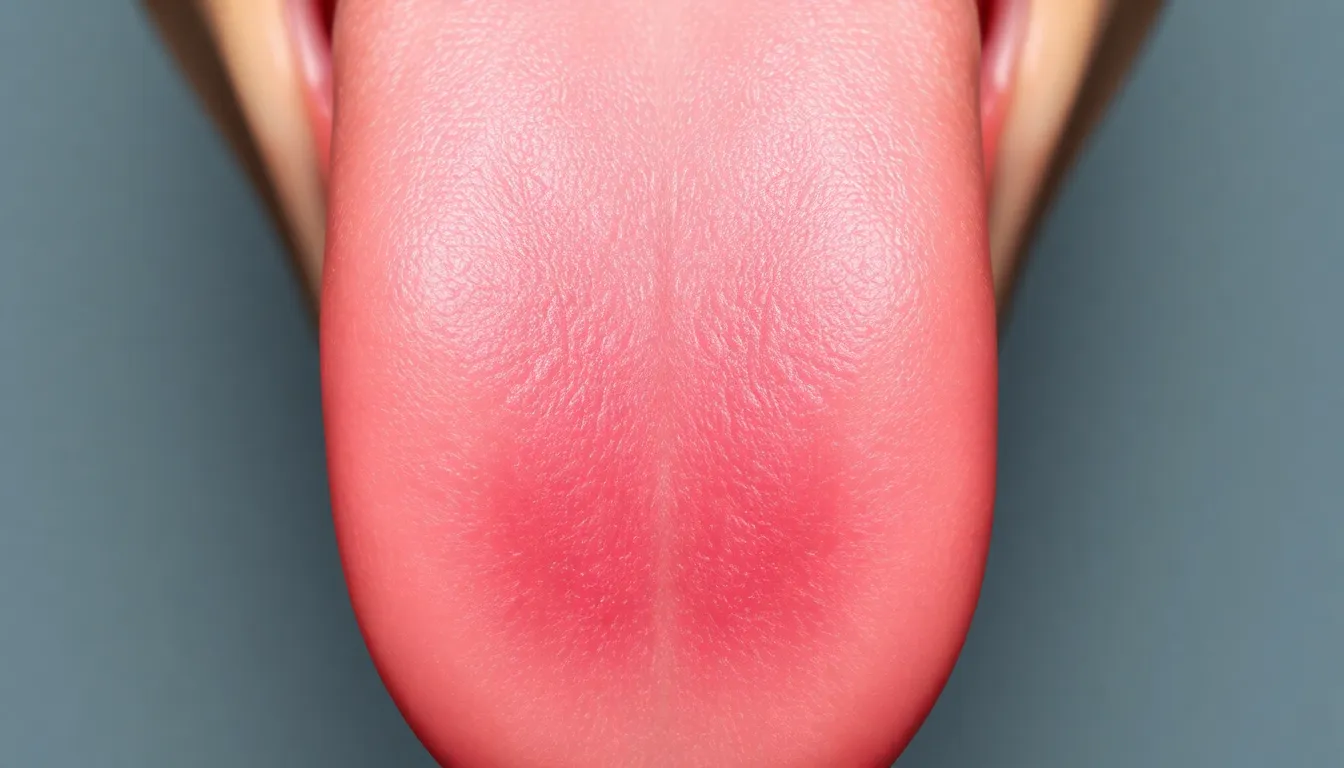
The back of the tongue often goes unnoticed, yet it can reveal important clues about a person’s health. Bumps on this area can be alarming, prompting questions about their significance. Understanding what these bumps might indicate can help individuals take proactive steps toward their well-being.
From harmless conditions to potential health concerns, the appearance of these bumps varies widely. By examining photos and descriptions, one can gain insights into common causes, such as inflammation or infections. This article delves into the various types of bumps found on the back of the tongue, offering clarity and guidance for those who may be experiencing this unusual symptom.
Understanding the Anatomy of the Tongue
The tongue consists of various structures that contribute to its function and health. Understanding these components helps clarify the significance of bumps on the back of the tongue.
The Role of Papillae
Papillae are small, bump-like structures on the tongue’s surface. They house taste buds and play a role in taste perception. Four types of papillae exist:
- Fungiform papillae: Located mainly on the tip and sides of the tongue, these are mushroom-shaped.
- Foliate papillae: Found on the sides at the back, they appear as folds and are involved in taste sensation.
- Circumvallate papillae: Arranged in a V-shape at the back of the tongue, these large structures detect bitterness.
- Filiform papillae: These are the most numerous and cover most of the tongue, providing texture but not taste sensation.
Enlargement or inflammation of papillae can result in visible bumps often linked to various conditions, including infections.
Common Variations in Texture
The texture of the tongue may vary based on numerous factors. Common variations include:
- Smooth tongue: Often indicates a lack of papillae, possibly due to nutritional deficiencies or certain health conditions.
- Geographic tongue: Characterized by irregular patches and shifting patterns, often harmless and linked to stress or allergies.
- Fissured tongue: Displays deep grooves and is generally benign but may require attention if associated with discomfort.
Monitoring these variations is crucial for identifying potential health issues. Bumps or changes in texture may signal underlying problems, warranting further examination.
Identifying Bumps on the Back of the Tongue
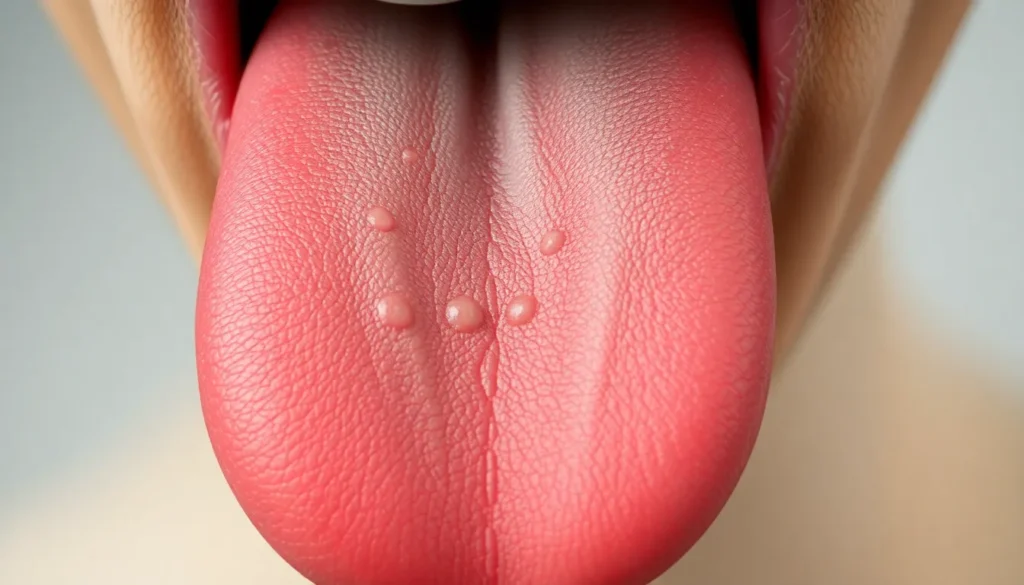
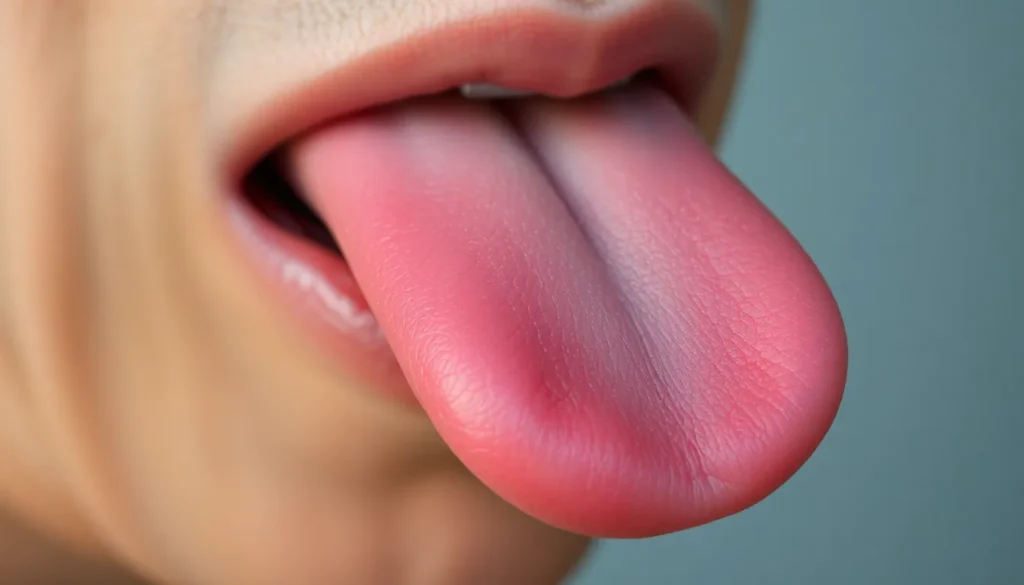
Bumps on the back of the tongue can arise from various causes, each warranting careful observation. Recognizing these causes is essential for determining the need for further medical evaluation.
Causes of Bumps
- Inflammation: Inflammation from conditions like glossitis or oral lichen planus can lead to visible bumps. These may indicate irritation or infection.
- Infections: Viral infections, such as herpes simplex or hand, foot, and mouth disease, contribute to the formation of bumps due to lymphadenopathy.
- Allergic Reactions: Allergic reactions to food or medications can cause swollen bumps or lesions in the oral cavity.
- Fungal Infections: Oral thrush, caused by Candida yeast, results in white bumps or patches on the tongue, particularly on the back.
- Trauma: Injury from biting the tongue or irritation from sharp foods can cause localized swelling and discomfort.
- Canker Sores: These small ulcers can appear as bumps and occur due to stress, hormonal changes, or nutritional deficiencies.
- Cancer: Though rare, lumps that persist for more than two weeks may indicate a malignancy and require immediate investigation.
When to Seek Medical Attention
- Persistent Lumps: If bumps remain for more than two weeks without improvement, a healthcare provider should evaluate them.
- Increased Pain: Significant pain accompanying the bumps may indicate a more serious condition needing assessment.
- Difficulty Swallowing or Breathing: Any trouble with swallowing or breathing, coupled with bumps, requires immediate medical attention.
- Changes in Appearance: If the color, size, or shape of the bumps changes rapidly, seeking a professional opinion becomes crucial.
- Systemic Symptoms: Symptoms such as fever, unexplained weight loss, or fatigue alongside tongue bumps indicate possible systemic issues and warrant prompt examination.
Photos of Bumps on Back of Tongue
Bumps appearing on the back of the tongue can vary significantly in appearance. Recognizing the differences between normal and abnormal bumps is essential for determining potential health issues.
Normal vs. Abnormal Appearance
Normal bumps, commonly found on the tongue’s surface, include the specialized structures known as papillae. These papillae serve various functions, with some helping in taste perception. Normal papillae may appear as tiny, healthy elevations. In contrast, abnormal bumps may show signs of inflammation, discoloration, or irregular shape, indicating underlying health issues. If bumps are red, painful, or accompanied by swelling or discharge, they may represent infections or other conditions requiring medical evaluation.
| Condition | Appearance Description |
|---|---|
| Normal Papillae | Small, uniform elevations, pink in color |
| Inflamed Papillae | Enlarged, red or white bumps, tender |
| Fungal Infection | White patches, possibly with pain |
| Allergic Reaction | Swollen, itchy bumps, red in color |
| Cancerous lesions | Irregular, hard bumps, potentially painful |
Case Studies and Examples
Several case studies illustrate the different causes of bumps on the back of the tongue.
- Inflammatory Glossitis
A patient presents with multiple red bumps on the back of the tongue, indicating inflammation of the mucous membrane. After further examination and treatment with anti-inflammatory medication, the condition resolves within two weeks.
- Oral Thrush
Another example involves a patient experiencing white, creamy lesions on the tongue’s surface due to a Candida infection. Treatment with antifungal medication resulted in complete resolution after one week.
- Canker Sores
A case shows isolated painful bumps that can be mistaken for cancer; however, the lesions respond to topical corticosteroids, resolving within ten days.
Recognizing these examples aids in understanding the importance of observing changes in the tongue’s texture and appearance, leading to timely medical interventions when necessary.
Home Remedies and Treatment Options
Addressing bumps on the back of the tongue involves various home remedies and treatment options that can alleviate symptoms and promote healing. Incorporating lifestyle changes and utilizing over-the-counter solutions can significantly improve tongue health.
Lifestyle Changes
- Maintain Hydration: Drinking adequate water helps keep the mouth moist and supports overall oral health.
- Practice Good Oral Hygiene: Regularly brushing the tongue, alongside teeth and gums, aids in the removal of bacteria and food particles, reducing the risk of irritation and inflammation.
- Limit Irritating Foods: Avoiding spicy, acidic, or rough-textured foods minimizes trauma to the tongue and decreases discomfort.
- Reduce Stress: Managing stress through relaxation techniques may help prevent oral issues linked to stress reactions, such as canker sores or glossitis.
- Avoid Tobacco Products: Quitting smoking or using other tobacco products significantly reduces the risk of oral health problems and promotes healing.
Over-the-Counter Solutions
- Topical Anesthetics: Products containing benzocaine or lidocaine can provide temporary relief from pain or discomfort associated with bumps on the tongue.
- Antiseptic Mouthwashes: Using mouthwashes with antiseptic properties can help reduce bacteria in the mouth, promoting healing and preventing infections.
- Antifungal Treatments: Over-the-counter antifungal medications target conditions like oral thrush, helping to clear up fungal infections responsible for bumps.
- Pain Relievers: Non-prescription pain relief medications such as acetaminophen or ibuprofen can help manage discomfort associated with inflammation or irritation.
- Lozenges: Throat lozenges with soothing ingredients can provide relief for dry or irritated tongues, aiding in comfort during the healing process.
Understanding the bumps on the back of the tongue is essential for maintaining overall health. By recognizing the differences between normal and abnormal appearances, individuals can better assess their symptoms and seek appropriate care when necessary. Awareness of potential causes and the significance of tongue health can empower individuals to take proactive steps in managing their oral well-being.
Incorporating good oral hygiene practices and making lifestyle adjustments can greatly contribute to healing and preventing further issues. Whether it’s through home remedies or professional treatment, taking action is crucial for ensuring a healthy tongue and preventing complications.