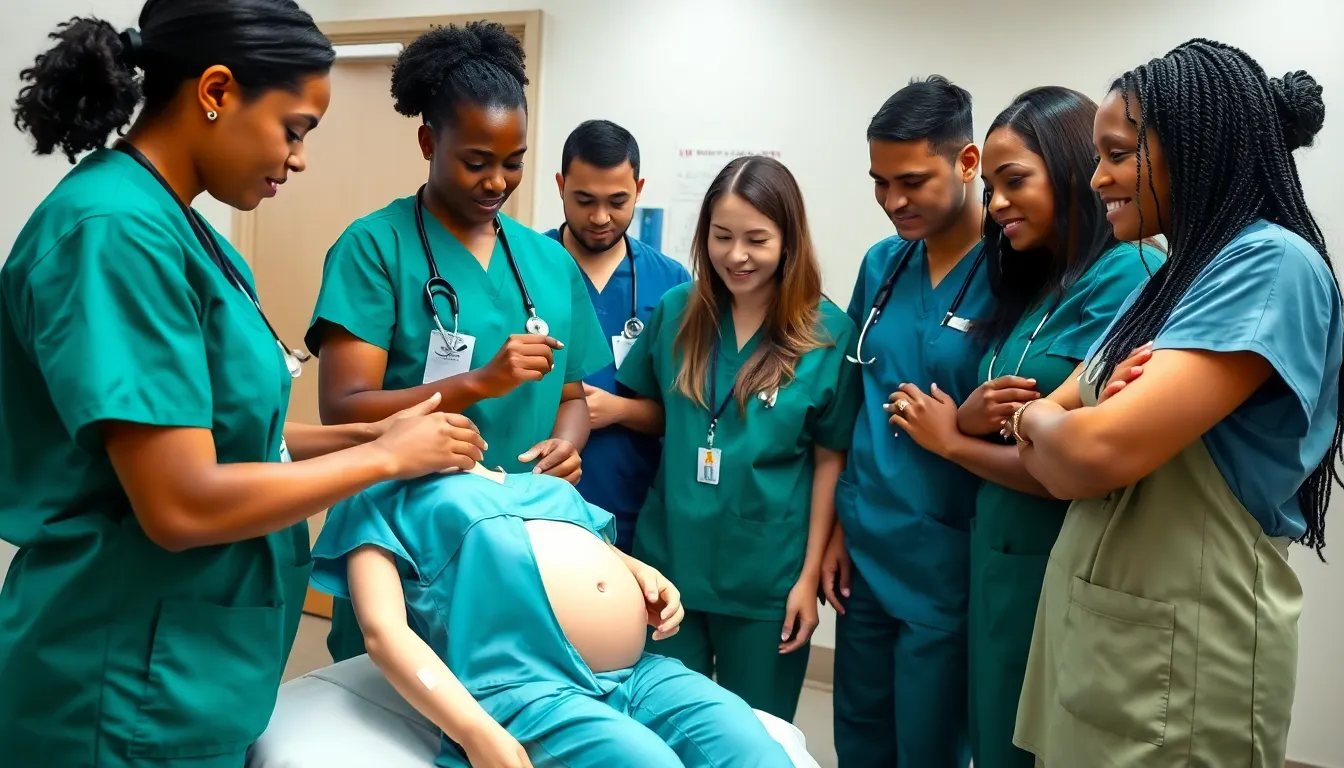
Choosing a career in obstetrics and gynecology is a rewarding journey filled with opportunities to make a significant impact on women’s health. Aspiring OB-GYNs often wonder about the residency length, which plays a crucial role in shaping their future practice. Understanding the timeline can help them prepare for the challenges ahead.
Typically, an OB-GYN residency lasts four years after completing medical school. During this intensive training period, residents gain hands-on experience in various aspects of women’s health, including prenatal care, labor and delivery, and reproductive health. This article delves into the specifics of OB-GYN residency, offering insights into what aspiring physicians can expect during these formative years.
Overview of OBGYN Residency
OB-GYN residency lasts four years, following the completion of medical school. During this period, residents receive extensive training in various specialties, including obstetrics, gynecology, and reproductive endocrinology.
Residency consists of different rotations, which include:
- Labor and Delivery: Residents manage childbirth, gain hands-on experience in delivering babies, and learn to handle complications.
- Gynecological Surgery: Residents perform surgeries related to reproductive health, including hysterectomies and laparoscopic procedures.
- Family Planning: Residents learn about contraceptive methods and termination of pregnancies, helping patients make informed choices.
- High-Risk Obstetrics: Residents focus on managing high-risk pregnancies, acquiring skills to handle emergencies and complex cases.
- Outpatient Care: Residents provide routine gynecological exams, counseling, and preventive care in outpatient settings.
Training emphasizes both clinical and surgical skills. Residents engage in didactic sessions and conferences, enhancing their medical knowledge. Mentorship from experienced faculty members provides valuable guidance throughout the residency.
Completion of the OB-GYN residency prepares physicians for board certification and practice. Residents emerge as competent, confident providers, ready to address a wide range of women’s health issues.
Duration of OBGYN Residency
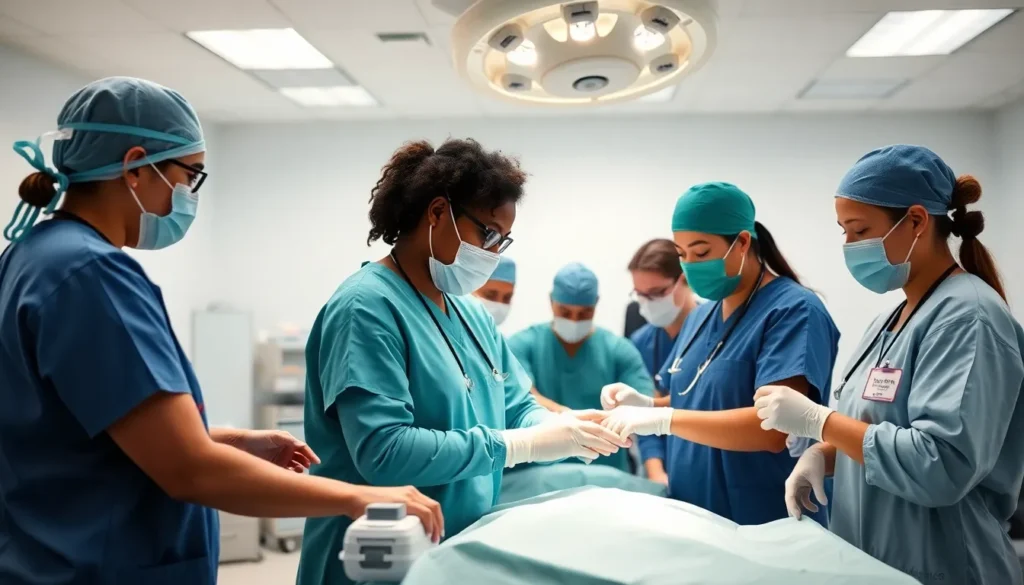
OB-GYN residency typically spans four years post-medical school, encompassing rigorous training in various facets of women’s health. This period is crucial for developing comprehensive clinical and surgical competencies.
Standard Length
Standard OBGYN residency lasts four years. This period comprises core rotations in obstetrics, gynecology, surgical skills, and outpatient care. During these years, residents accumulate an average of 4,000 hours of clinical experience, participating in labor and delivery, gynecological surgery, and intensive prenatal care.
Variations and Factors Affecting Duration
Variations in residency length can occur due to specific program requirements or additional fellowship training. Factors influencing duration include:
- Program Structure: Some programs may integrate additional research or subspecialty training.
- Fellowships: Pursuing fellowships in areas such as maternal-fetal medicine or reproductive endocrinology extends training by one to three additional years.
- State Requirements: Certain states may impose distinctive licensing regulations influencing residency length.
- Personal Circumstances: Individual residents may encounter unique situations that affect their training timeline.
Understanding these factors is essential for aspiring OB-GYNs when planning their medical education journey.
Structure of OBGYN Residency Programs
OB-GYN residency programs consist of a well-defined structure incorporating core rotations and elective opportunities. This structure ensures comprehensive training for residents.
Core Rotations
Core rotations form the backbone of OB-GYN residency, typically spanning a total of three years. Residents engage in critical areas, including:
- Obstetrics: Residents gain hands-on experience in prenatal care, labor management, and delivery processes, preparing them to handle various childbirth scenarios.
- Gynecology: Training emphasizes the diagnosis and treatment of women’s health issues, including routine exams, screenings, and gynecological surgeries.
- Surgical skills: Residents develop surgical competencies through procedures, ranging from minimally invasive techniques to major surgeries.
- Outpatient care: Residents provide care in outpatient settings, facilitating exposure to a wide array of female reproductive health concerns.
- High-risk obstetrics: Specialized training focuses on managing complicated pregnancies, equipping residents with skills to address emergencies.
These rotations culminate in approximately 4,000 hours of clinical experience, ensuring comprehensive training across disciplines.
Electives and Specializations
Electives and specializations offer residents the flexibility to tailor their training to specific interests. Typical electives include:
- Reproductive endocrinology: Training focuses on hormonal disorders and infertility treatments.
- Gynecologic oncology: Exposure to cancer-care protocols and surgical oncology enhances knowledge of complex cases.
- Maternal-fetal medicine: Residents develop expertise in high-risk pregnancies and consultations with specialists.
- Family planning: Training equips residents to provide contraceptive care and manage unintended pregnancies.
- Pediatric and adolescent gynecology: Focus on younger populations enhances understanding of unique gynecological issues.
These elective options enhance skill sets, allowing residents to emerge as well-rounded practitioners in women’s health.
Challenges During OBGYN Residency
OBGYN residency presents several challenges that aspiring physicians must navigate. These challenges often revolve around time commitments and maintaining a work-life balance.
Time Commitment
Time commitment during OBGYN residency is significant. Residents typically work over 80 hours each week, including night shifts and weekend duties. The demanding schedule includes long hours in clinical settings, participation in surgical procedures, and involvement in educational activities. Residents gain valuable experience and develop essential skills through exposure to busy labor and delivery units, outpatient clinics, and surgical procedures.
Work-Life Balance
Work-life balance poses a challenge for OBGYN residents. Intense schedules can lead to fatigue and stress, affecting personal well-being. Limited free time hinders opportunities for social activities, family interactions, and self-care practices. Despite these pressures, many residents find ways to incorporate support systems, such as peer groups and family connections, to navigate the demands of residency while prioritizing their mental health.
The journey through OB-GYN residency is both challenging and rewarding. Aspiring physicians can expect to undergo rigorous training that equips them with the necessary skills to excel in women’s health. With a standard duration of four years and a comprehensive curriculum, residents gain invaluable clinical and surgical experience.
It’s essential for those considering this path to be aware of the demands and time commitments involved. Establishing a strong support system can significantly aid in managing the stresses of residency. Ultimately, completing an OB-GYN residency not only prepares physicians for board certification but also empowers them to make a meaningful impact in the lives of their patients.